Eco-Friendly Traveler Checklist: Zero-Waste Packing Tips
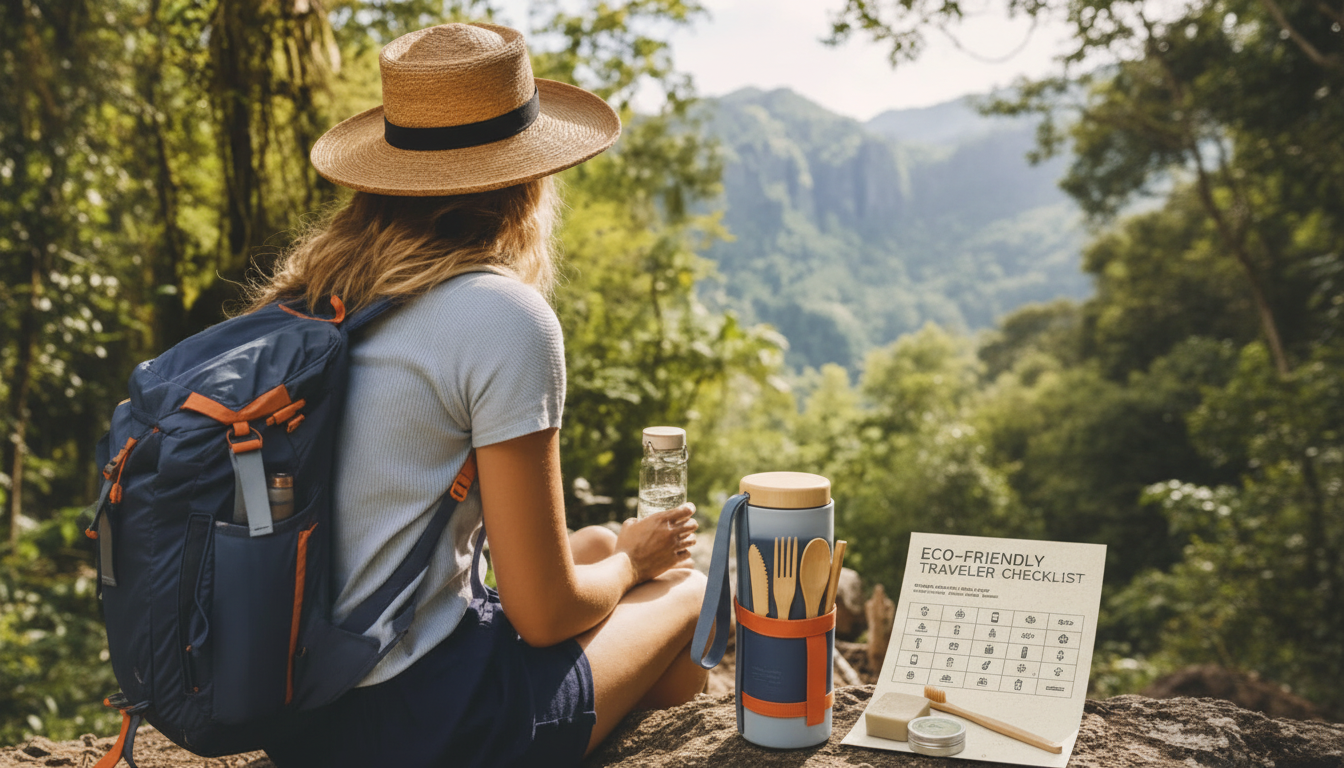
Sustainable travel starts before leaving home: packing lighter, choosing reusables, and planning for lower-waste meals, transit, and stays. This checklist-style guide focuses on practical swaps and habits that reduce trash, save space, and keep trips comfortable—whether traveling for a weekend or a multi-city itinerary.
What an eco-friendly traveler does differently
An eco-friendly traveler builds trips around prevention first: less stuff, fewer disposables, and smarter choices that protect local places. That typically looks like:
- Prioritizing reducing waste first (refuse, reduce, reuse), then recycling/composting when available (a helpful baseline from the EPA’s Reduce, Reuse, Recycle guidance).
- Packing multi-use items (one bottle, one set of cutlery, one solid bar) to avoid single-use purchases on the road.
- Choosing transport and activities with lower emissions when options are comparable.
- Respecting local ecosystems and communities: staying on trails, following wildlife guidance, supporting local businesses, and avoiding extractive “souvenirs.”
- Planning ahead for waste and water: refill points, safe tap water info, and local rules for recycling/compost.
For a broader view of how tourism impacts resources and communities, the UNEP’s sustainable tourism overview is a solid reference.
Zero-waste packing list (core reusables)
Start with a “core kit” that covers hydration, food, hygiene, and small messes. Once you travel with it a few times, it becomes automatic—and it usually replaces a surprising amount of plastic packaging along the way.
- Hydration and hot drinks: durable refillable water bottle; insulated cup if buying coffee/tea; optional collapsible bottle for day trips.
- Food on the go: reusable utensil set; lightweight container (or silicone bag) for leftovers; cloth napkin or bandana; snack pouch.
- Shopping and laundry: packable tote; a couple of reusable produce bags; small dry bag for separating wet/dirty items.
- Personal care: solid shampoo/conditioner or concentrated products; bar soap; refillable mini bottles; bamboo or reusable razor; menstrual cup or reusable pads (if applicable).
- Cleaning: small solid dish soap or detergent sheets; travel-sized stain remover; a few cloth wipes; compact scrubber or sponge (optional).
- Tech and documents: digital tickets/receipts when accepted; eSIM where possible to avoid plastic SIM packaging; power strip to share outlets in hotel rooms.
Quick checklist: items, purpose, and packing notes
| Category | Item | Why it helps | Packing tip |
|---|---|---|---|
| Hydration | Refillable bottle | Cuts single-use plastic and saves money | Clip to bag; bring a wide-mouth for easy cleaning |
| Food | Reusable cutlery | Avoids disposable forks/spoons | Store in a small pouch to stay clean |
| Food | Container or silicone bag | Reduces takeout waste and protects snacks | Choose leak-resistant for transit days |
| Shopping | Packable tote | Replaces plastic bags | Keep in daypack pocket for impulse stops |
| Hygiene | Solid toiletries | Less packaging and fewer liquid restrictions | Use a ventilated tin or soap bag |
| Laundry | Detergent sheets | Lightweight, low-mess washing | Pack in a zip pouch to keep dry |
| Cleaning | Cloth wipes/napkin | Replaces paper towels and tissues | Rotate and wash with laundry |
Low-impact toiletries and bathroom routine
Bathroom “extras” are one of the fastest ways trips generate trash. A simple routine reduces plastic, avoids liquid limits, and prevents last-minute buying at the destination.
- Choose concentrates and solids where practical to reduce plastic and avoid liquid limits.
- Skip microplastics when possible: avoid products with “polyethylene” microbeads; prefer simple ingredient lists.
- Bring a small, refillable sunscreen and insect repellent to avoid buying new bottles at the destination.
- Use reef-safe practices: follow local guidance on sunscreens and sensitive water areas; wear protective clothing for sun exposure to reduce product use.
- Plan for responsible disposal: keep a small bag for empty packaging and recycle where facilities exist.
If you’ll be hiking, camping, or visiting places with uncertain tap water, check the CDC’s water treatment options for travel before you go.
Clothing strategy: pack lighter, wash smarter
Less luggage usually means less fuel and fewer “backup” purchases mid-trip. The easiest method is a small capsule wardrobe that can handle temperature swings.
- Build a capsule wardrobe: neutral, mix-and-match layers that cover temperature swings.
- Prefer durable, quick-dry fabrics to reduce laundry frequency and drying energy.
- Aim for fewer shoes: one walking pair, one optional dress/secondary pair depending on itinerary.
- Use a simple wash kit: sink wash with detergent sheets; line-dry overnight; spot-clean to extend wear.
- Avoid overpacking “just in case” items by planning for one laundry day on longer trips.
Transport choices that reduce impact
Where to stay and how to keep waste low
Day-by-day habits: the smallest actions that add up
Printable and digital checklist: keep it simple while traveling
If you want a ready-to-use template you can reprint or reuse for different trips, see: Eco-Friendly Traveler Checklist | Sustainable Travel Digital Download | Zero Waste Packing List, Green Travel Tips Guide.
Helpful digital guides for planning (optional)
- Healthy Meal Plan & Recipe Collection | One-Week or One-Month Healthy Meal Plan with Recipes for Breakfast, Lunch, Dinner & Snacks | Balanced Nutrition eBook (handy for mapping simple, low-waste snacks and grocery lists before departure).
- A Guide to Safe Space Mapping | Digital Ebook on Understanding, Creating & Using Safe Spaces (useful for thoughtful trip planning and navigating unfamiliar environments).
FAQ
What is an eco-friendly traveler?
An eco-friendly traveler reduces waste and emissions where possible while respecting local communities and ecosystems. That can include carrying reusables, choosing public transit when practical, and avoiding single-use purchases on the road.
What is an example of eco-friendly travel?
A practical example is taking a train or bus between cities, staying longer in one place, refilling a water bottle daily, using a reusable container for leftovers, and following leave-no-trace habits during outdoor activities.
What is the most eco-friendly way to travel?
It depends on distance and route, but walking and cycling are generally the lowest-impact options, followed by public transit like trains and buses. For longer distances, reducing the number of trips, packing light, and choosing efficient routes usually matters as much as the mode itself.











Leave a comment